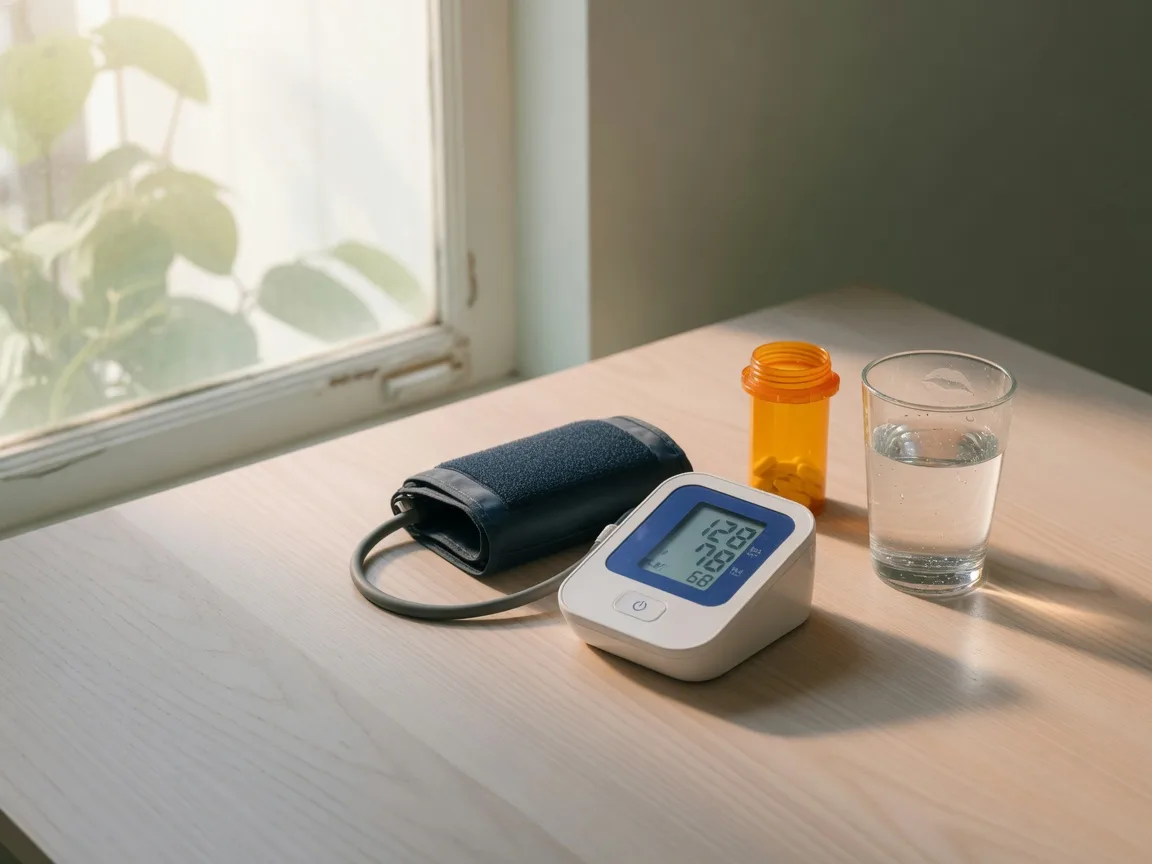
Chronic condition management is the ongoing, coordinated medical care of long-term health conditions such as diabetes, hypertension, heart disease, asthma, obesity, and arthritis. In primary care, the goal is to keep symptoms controlled, prevent complications, and adjust treatment as your health changes over time.
What chronic conditions does primary care manage?
TruHealth provides ongoing, individualized management for common chronic conditions, including diabetes, hypertension, heart disease, asthma, obesity, and arthritis. Treatment is personalized, and not every condition or severity level is managed in a primary care setting. When specialized care is needed, your provider coordinates referrals.
- Diabetes and prediabetes
- High blood pressure (hypertension)
- Heart disease and cardiovascular risk
- Asthma and other respiratory conditions
- Obesity and weight-related health
- Arthritis and joint-related concerns
How does chronic condition management work?
Chronic care at TruHealth follows a repeating cycle: regular visits, medication review, monitoring of labs and vital signs, lifestyle counseling, and adjustment of the plan when needed. Follow-up is what makes the difference, because chronic conditions change over time and treatment must change with them.
How are diabetes and high blood pressure managed?
Current guidelines recommend blood pressure screening at every routine visit and diabetes screening starting at age 35 for adults with overweight or obesity. For people with diabetes, most adults are treated toward a blood pressure goal below 130/80, and management may include medications such as metformin or a GLP-1 receptor agonist, individualized to each person's health. These are general targets; your provider personalizes them for your situation.
Why is follow-up more important than any single visit?
A single visit gives a snapshot. Follow-up visits show trends: whether blood pressure is trending down, whether A1C is improving, whether medications are working or causing side effects. That long view is what prevents complications like heart attack, stroke, kidney disease, and nerve damage.
How do weight and hormone care connect to chronic conditions?
Weight and hormone-related care are often part of chronic condition management. Obesity is closely linked to diabetes and hypertension, and testosterone evaluation may be relevant for men with conditions like diabetes or obesity. TruHealth connects these services so your care is coordinated rather than fragmented.
When should you see a provider about a chronic condition?
See your provider for a new diagnosis, symptoms that are not controlled, medication questions or side effects, or at least an annual review of your condition. If you have not seen a provider in over a year, that is a good reason to schedule.
Frequently asked questions
Does TruHealth treat every chronic condition?
How often will I need follow-up visits?
Sources and further reading
Educational purpose: This article is for general educational purposes and is not medical advice, diagnosis, or treatment. Always consult a qualified healthcare provider about your specific health situation.
About the author: Tina Jordan, MSN, APRN, FNP-C, is a board-certified Family Nurse Practitioner and the lead provider at TruHealth Primary Care in Locust Grove, Georgia.